What Are Uterine Fibroids?
Uterine fibroids, also known as uterine leiomyomas or myomas, are growths that develop from the muscular tissue of the uterus. They may occur within the uterine wall, beneath its inner lining, or on its outer surface. Some women develop a single fibroid, while others may have multiple fibroids of different sizes.
The symptoms depend on the location and size of these growths. Common signs include:
- Heavy or prolonged menstrual bleeding
- Pelvic discomfort or pressure
- Painful menstrual periods
- Frequent urination due to pressure on the bladder
- Lower back pain
- Abdominal enlargement or bloating
- Constipation in some cases
Not every woman with uterine fibroids requires treatment. However, when symptoms affect daily life, medical evaluation can help determine whether fibroid embolization or another treatment approach may be appropriate.
What Is Fibroid Embolization?
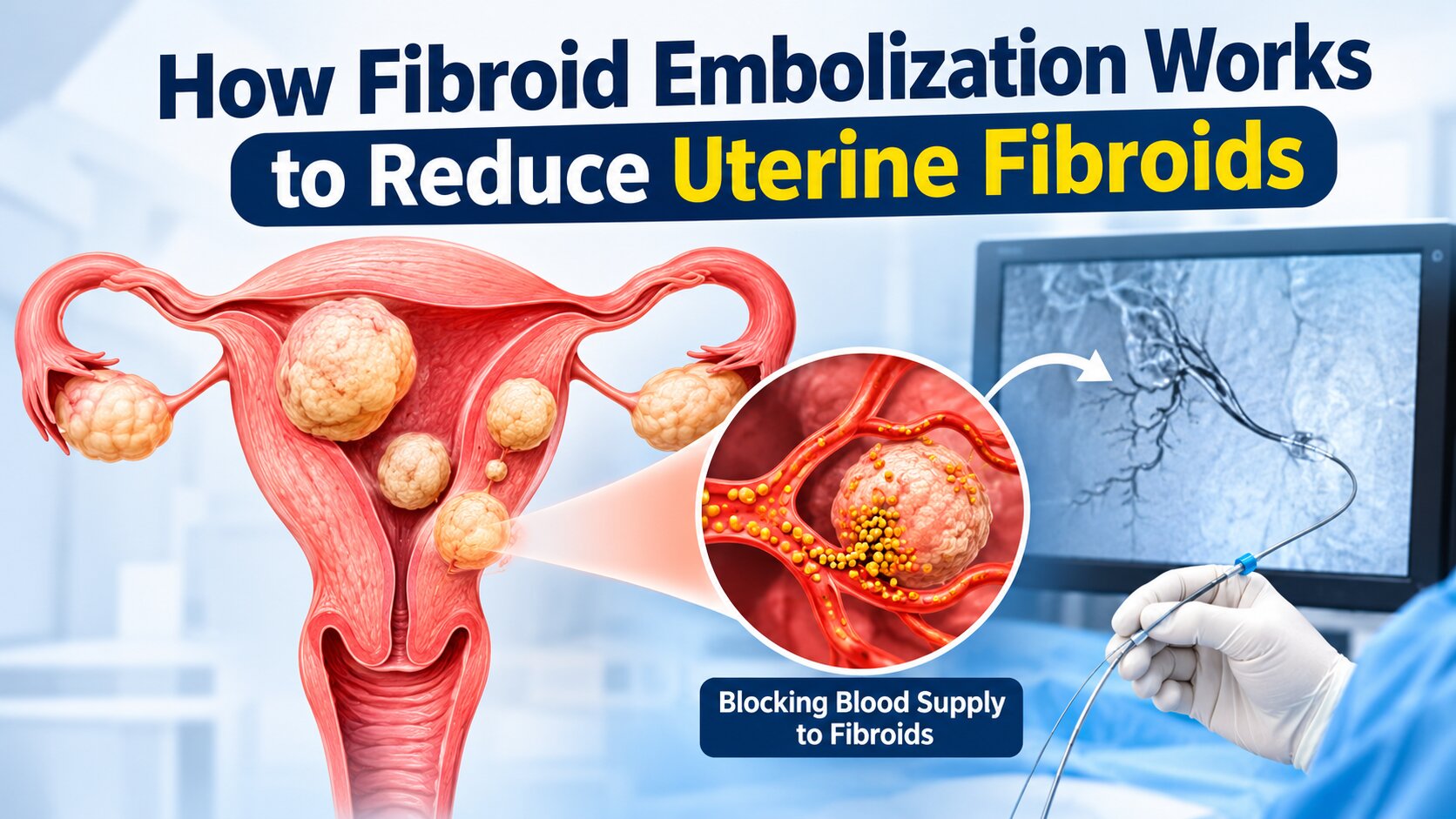
Fibroid embolization, medically known as Uterine Artery Embolization (UAE), is a minimally invasive procedure used to treat symptomatic uterine fibroids. It reduces the blood supply reaching the fibroids, causing them to gradually shrink.
Unlike traditional surgical procedures, this treatment does not involve removing the uterus or making a large abdominal incision. Instead, an interventional radiologist uses medical imaging to guide a thin catheter into the arteries supplying blood to the uterus.
Small particles are then introduced through the catheter to block the blood vessels supplying the fibroids. As the fibroids receive less blood and oxygen, they gradually decrease in size, helping relieve symptoms such as heavy menstrual bleeding and pelvic pressure.
Women looking for a fibroid embolization specialist in Jaipur can discuss this treatment option with an experienced interventional radiologist to understand its suitability, expected results, and possible limitations.
How Does Fibroid Embolization Work?
Fibroid embolization works by interrupting the blood circulation that supports fibroid growth. The procedure involves several carefully controlled steps.
1. Initial Medical Evaluation
Before recommending treatment, the doctor reviews the patient’s medical history, symptoms, menstrual health, and previous investigations. Imaging tests such as pelvic ultrasound or MRI may be recommended to understand the number, size, and location of uterine fibroids.
This assessment helps determine whether the patient is a suitable candidate for uterine artery embolization.
2. Preparation Before the Procedure
Patients receive instructions regarding food, fluids, and medications before treatment. Blood tests and other necessary investigations may also be performed.
The procedure is generally carried out using local anaesthesia with sedation or other appropriate pain management. The medical team explains the procedure and discusses its potential benefits and risks beforehand.
3. Inserting a Thin Catheter
The interventional radiologist makes a small puncture, usually in the wrist or groin, to access an artery. A thin, flexible tube called a catheter is carefully inserted into the blood vessel.
Using fluoroscopic imaging, which provides real-time X-ray guidance, the doctor navigates the catheter towards the uterine arteries.
4. Blocking the Blood Supply
Once the catheter reaches the appropriate position, tiny embolic particles are released into the uterine arteries. These particles travel into the smaller blood vessels supplying the fibroids and help block their circulation.
The reduced blood supply causes the fibroid tissue to undergo gradual degeneration and shrinkage. The procedure is performed carefully to preserve as much healthy uterine tissue as possible.
5. Monitoring After Treatment
After the embolization procedure, the catheter is removed and pressure is applied to the access site. The patient is monitored for pain, bleeding, and other immediate reactions.
Depending on the patient’s condition and hospital protocol, discharge may occur on the same day or after an overnight stay.
What Happens to Fibroids After Embolization?
After the blood supply is blocked, fibroids do not disappear immediately. Instead, they gradually shrink over the following weeks and months.
The reduction in blood circulation causes changes within the fibroid tissue, leading to a process known as infarction. Over time, the treated fibroids become smaller, and pressure on nearby organs may decrease.
Many women experience improvement in heavy menstrual bleeding, pelvic discomfort, and other fibroid-related symptoms. However, the degree of shrinkage and symptom relief varies depending on the characteristics of the fibroids and individual health factors.
Follow-up examinations, including ultrasound or MRI when appropriate, help doctors monitor the treatment response.
Benefits of Fibroid Embolization
Uterine artery embolization offers several potential benefits for women experiencing symptomatic uterine fibroids.
1. Minimally Invasive Treatment: The procedure uses a small arterial puncture rather than a large surgical incision, which generally means less tissue disruption.
2. Preserves the Uterus: Unlike hysterectomy, which involves removing the uterus, fibroid embolization treats fibroids while retaining the uterus.
3. Helps Control Heavy Bleeding: Reducing fibroid size can improve excessive menstrual bleeding in many patients.
4. Reduces Pelvic Pressure: Shrinking fibroids may relieve pressure on the bladder, bowel, and surrounding pelvic structures.
5. Shorter Recovery: Many patients return to normal activities sooner than they would after major abdominal surgery, although recovery time varies.
6. Treats Multiple Fibroids: The procedure can address multiple fibroids during the same treatment session.
Who Can Consider Fibroid Embolization?
Fibroid embolization may be considered for women who have symptomatic uterine fibroids and want an alternative to major surgery.
It may be suitable for patients experiencing:
- Persistent heavy menstrual bleeding
- Multiple uterine fibroids
- Pelvic pain or pressure
- Frequent urination caused by fibroids
- Fibroid-related abdominal discomfort
- Symptoms that have not improved with medical management
However, the procedure is not appropriate for everyone. Women with active pelvic infections, certain suspected uterine conditions, or other medical complications may require a different treatment approach.
Women who wish to become pregnant in the future should discuss their reproductive plans carefully with their gynaecologist and interventional radiologist. The effects of fibroid embolization on future pregnancy and fertility are not fully predictable, and other treatment options may be more suitable in some situations.
Recovery After Fibroid Embolization
Recovery following fibroid embolization generally involves temporary discomfort as the body responds to reduced blood supply within the fibroids.
Some patients experience pelvic cramps, nausea, tiredness, mild fever, or temporary changes in vaginal discharge. These symptoms are commonly associated with post-embolization syndrome and usually improve with appropriate medical management.
During recovery, patients should:
- Follow the prescribed medication schedule.
- Avoid strenuous physical activities until advised by the doctor.
- Keep the catheter insertion site clean and dry as instructed.
- Attend scheduled follow-up appointments.
- Report severe pain, persistent fever, heavy bleeding, or unusual symptoms promptly.
Most patients gradually resume their usual activities over the following days to weeks. Individual recovery depends on overall health, fibroid characteristics, and the body’s response to treatment.
Why Consult a Fibroid Embolization Specialist?
Choosing the right doctor is an important part of treatment planning. A qualified fibroid embolization specialist can evaluate imaging reports, understand the patient’s symptoms, and determine whether uterine artery embolization is an appropriate option.
Interventional radiologists are trained in image-guided procedures and use specialised imaging techniques to navigate blood vessels accurately. Their assessment helps identify the blood supply to fibroids and plan the embolization procedure.
Women searching for a fibroid embolization specialist in Jaipur should consider the doctor’s qualifications, experience in interventional radiology, access to appropriate imaging facilities, and follow-up care.
A detailed consultation also provides an opportunity to discuss alternative treatments, potential complications, fertility considerations, and realistic treatment expectations.
Frequently Asked Questions (FAQs)
1. Is fibroid embolization a major surgery?
No. Fibroid embolization is a minimally invasive, image-guided procedure. It uses a small catheter inserted through an artery and does not require a large abdominal incision.
2. How long does it take for fibroids to shrink after embolization?
Fibroids begin changing after their blood supply is reduced, but noticeable shrinkage generally occurs over several weeks and months. The exact timeline varies between patients.
3. Does fibroid embolization remove the uterus?
No. The procedure treats uterine fibroids without removing the uterus. It blocks their blood supply so that they gradually shrink.
4. Is fibroid embolization painful?
Patients generally receive anaesthesia and pain management during the procedure. Pelvic cramps may occur afterwards, particularly during the initial recovery period, and can usually be managed with prescribed medication.
5. Can fibroids return after embolization?
Treated fibroids generally shrink, but new fibroids may develop or some existing fibroid tissue may remain. Some patients may require additional treatment in the future.
Conclusion
Fibroid embolization is an important minimally invasive treatment option for women experiencing symptoms associated with uterine fibroids. By blocking the blood supply to fibroid tissue, the procedure helps reduce fibroid size and may improve heavy menstrual bleeding, pelvic discomfort, and pressure-related symptoms.
Understanding the procedure, recovery process, benefits, and possible risks allows women to make informed healthcare decisions. A consultation with an experienced interventional radiologist can help determine whether uterine artery embolization is suitable based on individual medical needs and future reproductive plans.