The thyroid gland plays an important role in maintaining several essential body functions, including metabolism, energy levels, body temperature, and heart rate. It is a small, butterfly-shaped gland located at the front of the neck, just below the Adam’s apple.…

Author: Dr. Ankit Singhvi
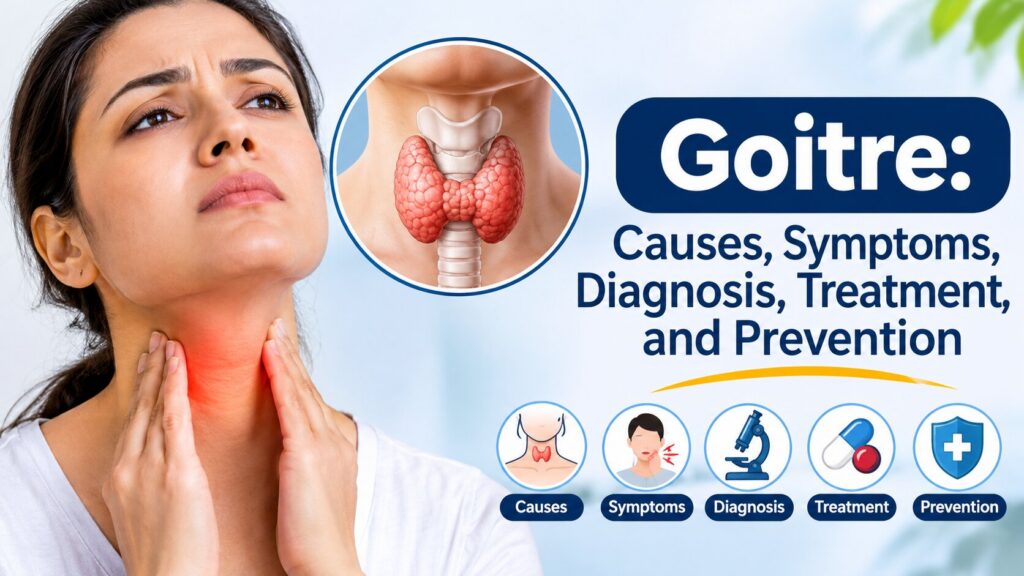
Goitre: Causes, Symptoms, Diagnosis, Treatment, and Prevention
The thyroid gland is an important part of the endocrine system. It produces hormones that help regulate metabolism, body temperature, heart rate, energy levels, and several other body functions. When the thyroid gland becomes enlarged, the condition is known as…
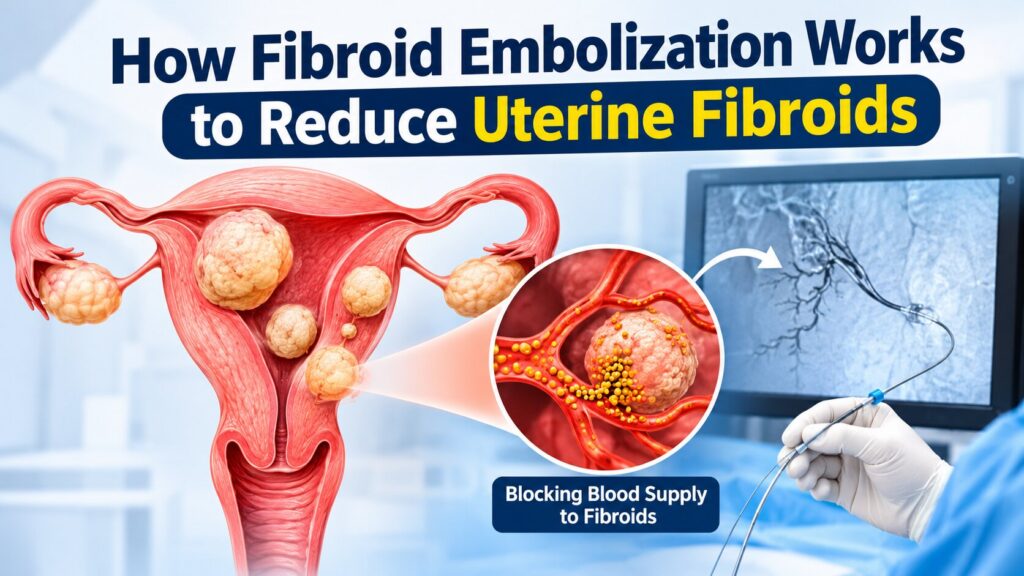
How Fibroid Embolization Works to Reduce Uterine Fibroids
What Are Uterine Fibroids? Uterine fibroids, also known as uterine leiomyomas or myomas, are growths that develop from the muscular tissue of the uterus. They may occur within the uterine wall, beneath its inner lining, or on its outer surface.…
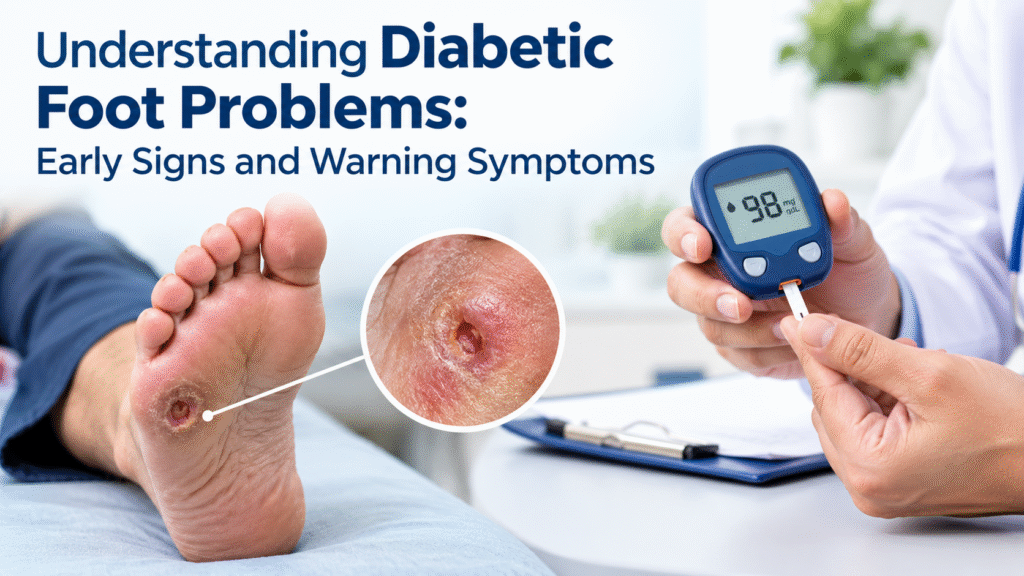
Understanding Diabetic Foot Problems: Early Signs and Warning Symptoms
Diabetes can affect several parts of the body, including the feet. Persistently high blood sugar levels may damage nerves, reduce blood circulation, and slow the body’s natural wound-healing process. These changes can increase the risk of foot injuries, infections, ulcers,…
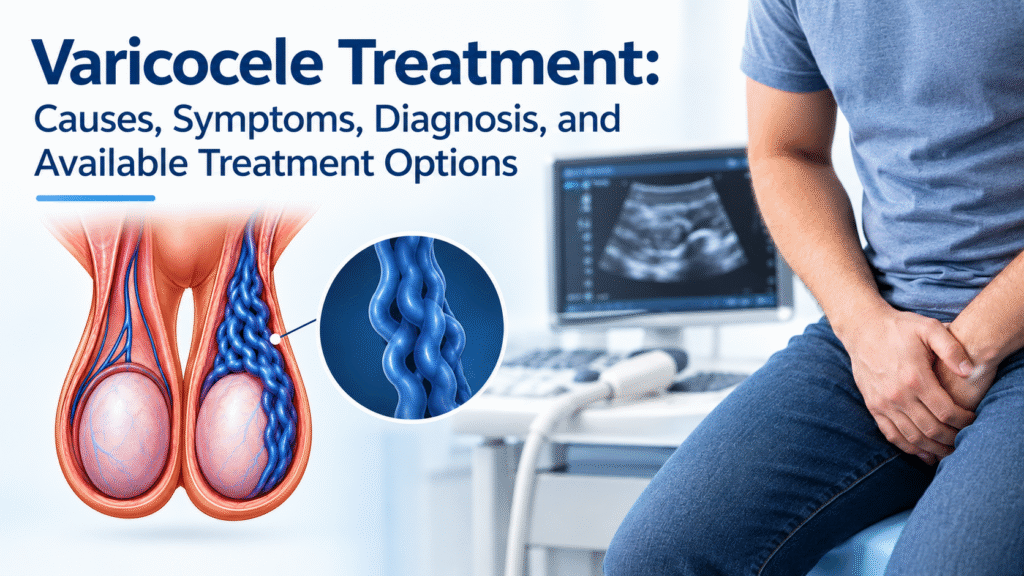
Varicocele Treatment: Causes, Symptoms, Diagnosis, and Available Treatment Options
Varicocele is a common condition affecting the veins inside the scrotum, the skin-covered pouch that holds the testicles. It develops when veins responsible for carrying blood away from the testicles become enlarged, allowing blood to collect in the affected area.…
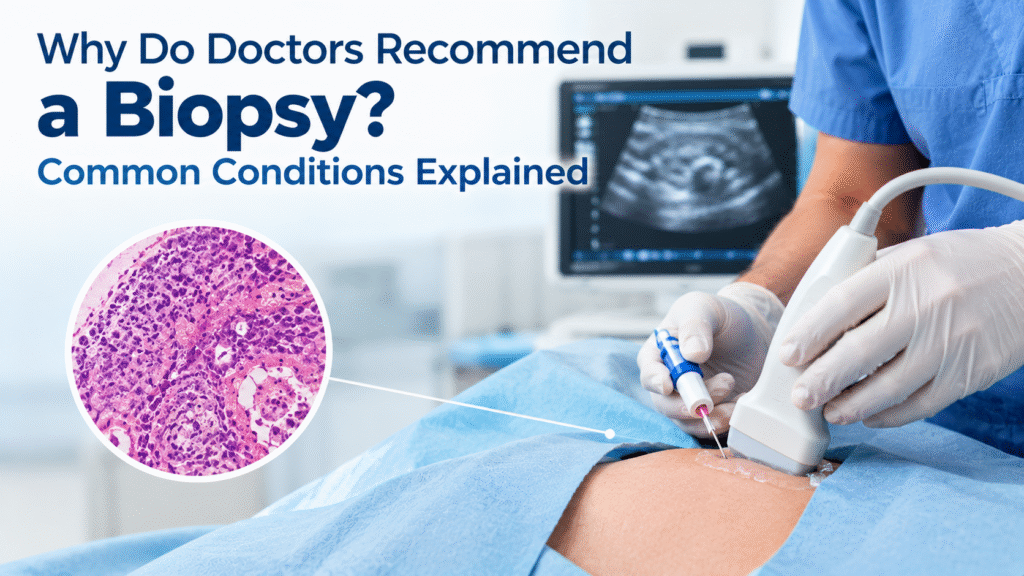
Why Do Doctors Recommend a Biopsy? Common Conditions Explained
A medical diagnosis often requires more than a physical examination or routine imaging test. When a doctor identifies an unusual lump, swelling, tissue change, or abnormal finding on an ultrasound or scan, additional testing may be necessary to understand its…
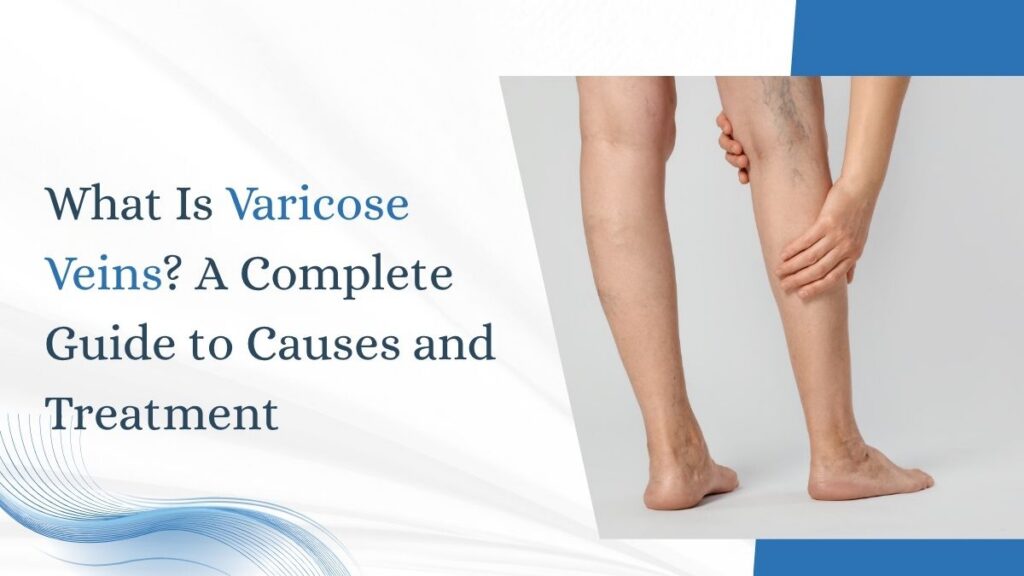
What Is Varicose Veins? A Complete Guide to Causes and Treatment
Varicose veins are enlarged, swollen, and twisted veins that commonly appear on the legs. They may look blue, purple, or darker than the surrounding skin and can sometimes become noticeable as raised or rope-like veins. For some people, varicose veins…